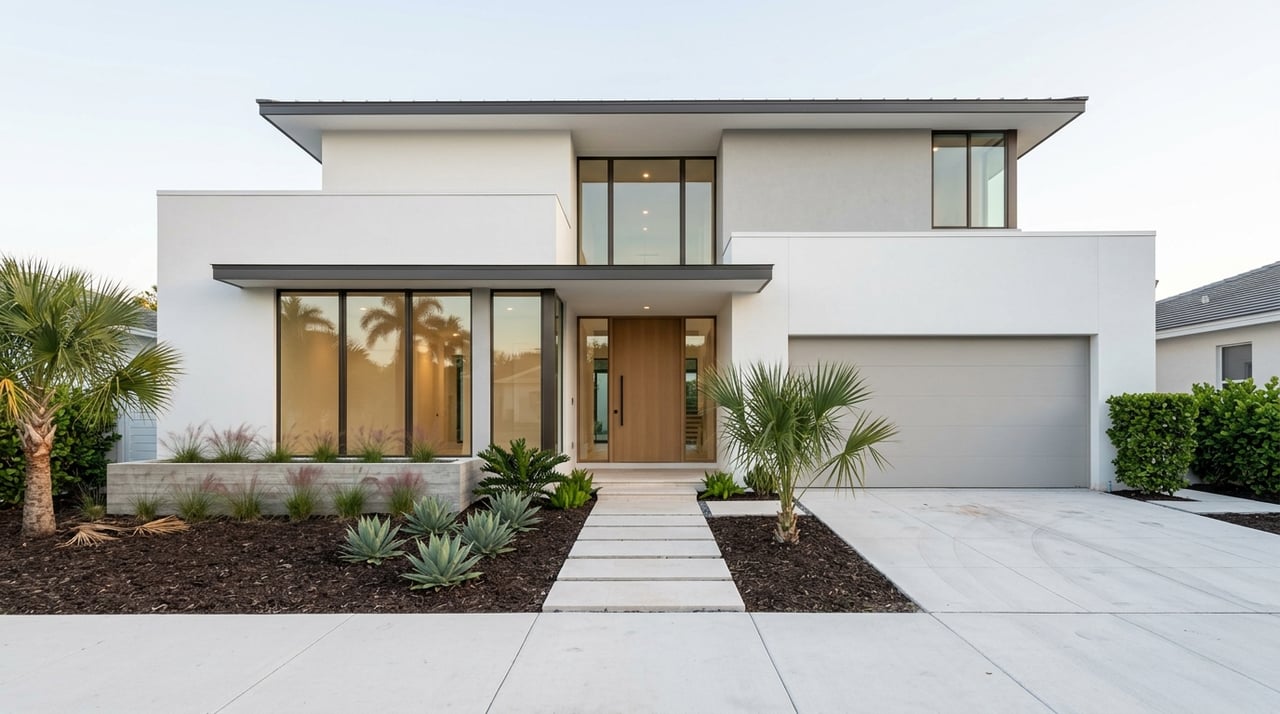
Comparing Orlando New Construction Communities
June 4, 2026
June 4, 2026
Thinking about a brand-new home near Orlando? You are not alone. Many buyers are drawn to the idea of modern layouts, fresh finishes, and lower near-term maintenance, but the Orlando area offers very different types of new construction depending on where you look. If you are comparing communities around Orlando, this guide will help you understand where new construction is concentrated, what the build process usually looks like, and which questions to ask before you sign. Let’s dive in.
Around Orlando, new construction is not one single market. Some areas are built around large master plans with mixed uses and amenities, while others are more established suburbs where newer homes appear through infill or redevelopment.
Two of the clearest master-planned examples in Orange County are Horizon West and Lake Nona. Orange County describes Horizon West as a southwest Orange County community with five mixed-use villages and a town center. Lake Nona describes itself as a 17-square-mile community that blends residential, commercial, business, and entertainment uses near Orlando International Airport.
If you want the feel of a large, planned community, Horizon West and Lake Nona often stand out first. These areas are designed around more than just homes. They also include open space, gathering areas, and a broader community layout.
In Horizon West, Orange County highlights bicycle and pedestrian facilities along with community gathering places. In Lake Nona, the community emphasizes scenic trails, parks, restaurants, art, and events. For many buyers, that means the neighborhood experience is part of the purchase decision, not just the floor plan.
Buyers who focus on these communities are often looking for:
That structure can feel convenient and appealing, especially if you want a more predictable neighborhood design. At the same time, it often comes with more rules, recurring fees, or both.
If you are looking north or northwest of Orlando, Apopka is an important comparison point. The city says its Planning and Zoning Division manages growth while protecting infrastructure and school capacity, and its redevelopment planning references master-planned communities around the Wekiva Parkway interchange, including Kelly Park Crossing.
For buyers, Apopka can feel different from the bigger, long-range master-planned markets. It may offer the sense of an active growth corridor, where new residential development is visible and planning is still shaping how parts of the area evolve.
Lake Mary and Altamonte Springs are best understood as more established suburban comparisons rather than major greenfield master-planned markets. That matters if you are deciding between a newly built home and a home in a more established setting.
Lake Mary’s official materials show a current comprehensive-plan update and use of zoning and development-order tools. Altamonte Springs says limited vacant land remains and that most future development activity will come through redevelopment. Its planning materials emphasize mixed land use, parks, walkways, and multi-modal transportation.
If you are comparing Orlando-area options, you are often comparing different development patterns, not just different builders. In simple terms:
That distinction can help you narrow your search faster.
One of the biggest differences between new construction and resale is timing. A resale home can often move on a faster schedule, while a new build usually takes longer.
According to builder information in the research, a new home typically takes 6 to 12 months on average, depending on the region and community. Some builders also offer quick-move-in homes, which can shorten the timeline if you do not want to wait through the full construction cycle.
The process is often organized into stages like:
Part of that timeline includes local permitting and inspections. Orange County Building Safety reviews plans, issues permits, and performs inspections to make sure construction meets the Florida Building Code, the National Electrical Code, and county regulations.
Even when a builder provides an estimated completion date, there are steps built into the process that can affect timing. Permitting, inspections, and the pace of construction all play a role.
That is why it helps to think in ranges rather than exact dates. If your move depends on a job start, a lease ending, or a relocation schedule, you should ask early whether the builder has quick-move-in inventory or only to-be-built options.
A common surprise for buyers is the gap between the advertised starting price and the final contract price. The base price is not always the full picture.
Builder information in the research separates several costs from the base home price, including home-site premiums, structural options, and design or finish upgrades. That means two buyers choosing the same floor plan may end up with very different final prices.
Before you compare communities, ask for a breakdown that includes:
This gives you a more realistic side-by-side comparison.
After choosing a home, many buyers attend design-center appointments. This is where you personalize finishes and, in some cases, exterior details or technology features.
This step can be exciting, but it is also where costs can rise quickly. If you are trying to stay within a target budget, it helps to decide in advance which upgrades matter most to you and which ones you can skip.
In many Orlando-area new construction communities, recurring fees are part of the overall ownership picture. Buyers should understand whether a community has an HOA, a CDD, or both.
In Florida, a Community Development District, or CDD, is a special-purpose local government for community development services. Florida law also requires disclosure of public financing to buyers and authorizes taxes, non-ad valorem assessments, and special assessments.
When you are evaluating a community, ask for the full monthly and annual picture:
This matters because the community lifestyle package may include amenities, but those costs should still fit comfortably into your budget.
Florida law requires an HOA disclosure summary before a contract is signed. If that summary was not provided, the buyer can void the contract within 3 days after receiving it or before closing, whichever comes first.
Florida law also regulates how associations maintain records and handle budgets and financial reporting. If reserves are not fully funded, the financial report must warn owners that special assessments may be needed.
Architectural controls are another important topic in newer communities. Florida law gives associations architectural-control authority, but an association cannot enforce policies that conflict with the declaration or published standards.
Unpaid assessments can also have serious consequences. Under Florida law, HOA assessments can become lien claims, and an association may foreclose a lien for unpaid assessments. For buyers, that makes it important to confirm whether any unpaid amounts or transfer items will appear at closing.
A brand-new home is not automatically the better choice for every buyer. It depends on your timing, budget, and preferred lifestyle.
New construction often offers modern floor plans, lower near-term maintenance, newer energy-efficient systems, more personalization, and builder warranties. On the other hand, it can also mean higher upfront costs, a longer wait, and in some cases a setting that feels less established.
Existing homes in established suburbs may offer:
The tradeoff is that resale homes may need more repairs, have older layouts, and offer less personalization.
For many buyers, warranties are one of the biggest advantages of a new home. According to the research, many newly built homes include builder warranty coverage, although the exact terms vary by builder.
Typical coverage often includes one year for workmanship and materials, two years for systems, and up to 10 years for major structural defects. You should always review the specific warranty documents for the home you are considering so you understand what is covered and for how long.
If you are relocating or moving within Central Florida, your best choice may come down to how you want to live day to day. Some buyers want the amenity-rich, planned environment found in places like Horizon West or Lake Nona. Others prefer the feel of an established suburb such as Lake Mary or Altamonte Springs, where redevelopment and infill play a larger role.
Apopka may appeal to buyers who want to be in a growing corridor with visible new development activity. The right fit depends on whether you value a master-planned setting, a more established suburban environment, or a balance between the two.
A careful comparison can save you time, reduce surprises, and help you buy with confidence. If you want help comparing Orlando-area new construction communities with established suburban options, Gabriella Nystrom offers personalized, high-touch guidance for local and relocation buyers across Central Florida.
Stay up to date on the latest real estate trends.

Gabriella is dedicated to helping you find your dream home and assisting with any selling needs you may have. Contact Gabriella today to discuss all your real estate needs!