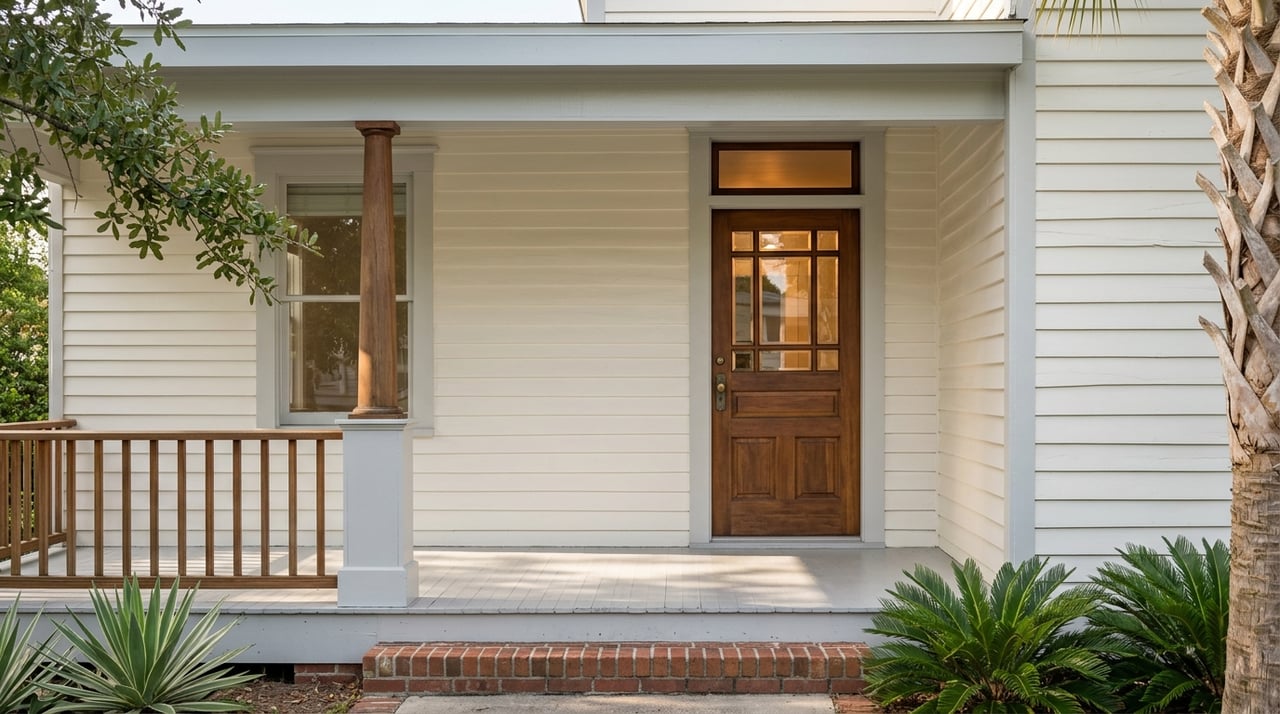
Buying a Historic Home in Sanford: What to Know
June 11, 2026
June 11, 2026
Thinking about buying a historic home in Sanford? It can be an exciting way to own a property with architectural character, a front porch with real presence, and a direct connection to one of Central Florida’s oldest established areas. But historic homes come with different rules, maintenance needs, and renovation considerations than newer houses. If you want to buy with confidence, it helps to understand what makes Sanford’s older homes unique before you make an offer. Let’s dive in.
Sanford’s historic housing feels distinct because the city’s growth is closely tied to downtown, the riverfront, and older inland neighborhoods near Lake Monroe and the St. Johns River. The city recognizes several historic areas, including the Downtown Commercial Historic District, the Sanford Residential Historic District also known as Old Sanford, the Georgetown Residential Historic District, and the Sanford Avenue Historic District.
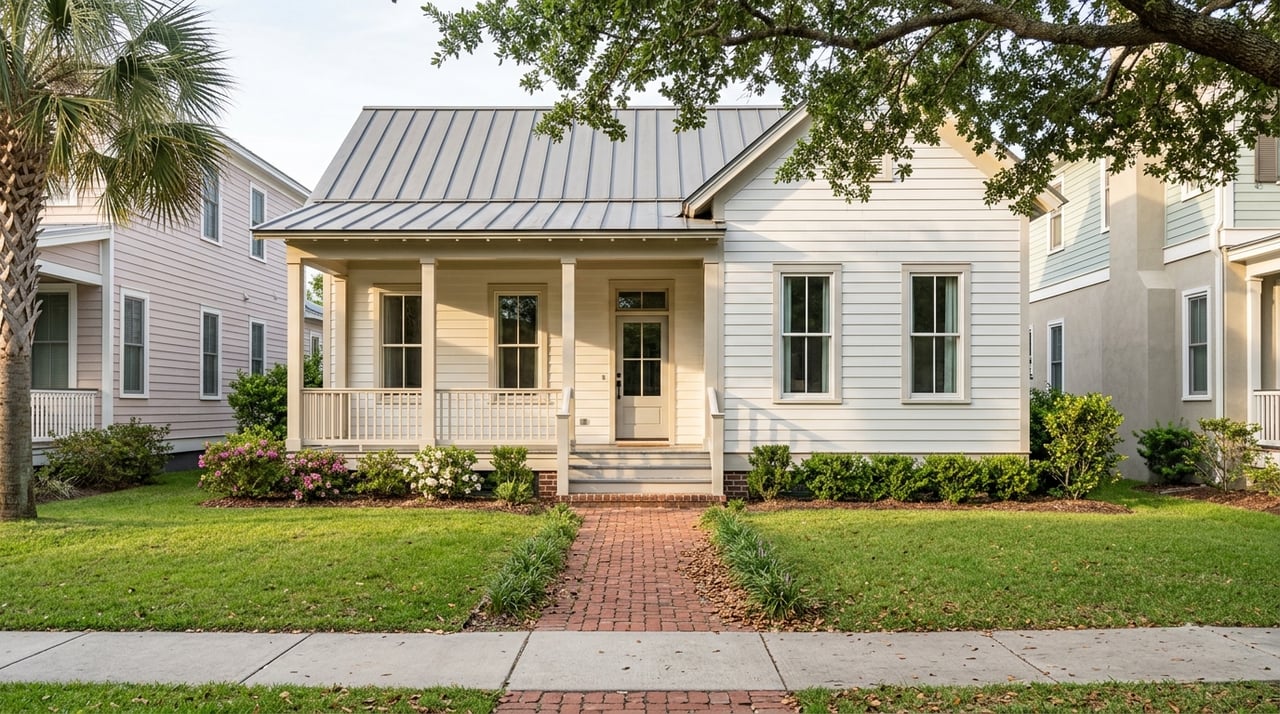
That local history shows up clearly in the housing stock. Sanford’s historic homes include styles such as Frame Vernacular, Masonry Vernacular, Craftsman Bungalow, Queen Anne, Classical Revival, Colonial Revival, Spanish Colonial Revival, and Mission style. In practical terms, that means you may see anything from asymmetrical ornamented homes to simple vernacular structures with raised foundations designed for ventilation and protection from high water.
For buyers, this architectural variety is part of the appeal. It also means each property can have a very different repair profile, renovation path, and approval process depending on its location, condition, and historic status.
One of the most important questions to ask is not just how old the house is. You also need to know whether it is in a local historic district, whether it is considered a contributing property, or whether it is a designated landmark.
In Sanford, local district or landmark status is what drives the city’s Certificate of Appropriateness, or COA, review for exterior work. That distinction matters because a home can be old and charming without triggering the same local review requirements as a property with local historic protections.
This is worth confirming early, ideally before you finalize renovation plans or budget assumptions. A house in a National Register area may not function the same way as a house subject to local district rules for exterior changes.
A standard home inspection is important, but older Sanford homes usually need an even more careful look. In this market, two major issues deserve close attention: moisture and termites.
Florida’s climate makes moisture control a long-term ownership issue, especially in older houses with aging materials or deferred maintenance. UF/IFAS notes that termite prevention depends heavily on minimizing moisture, directing water away from the structure, maintaining gutters, avoiding wood-to-ground contact, and keeping at least a 6-inch inspection space above soil or mulch.
Termite damage can also be hidden behind finished surfaces. That is why inspectors often probe areas like door frames, thresholds, and baseboards when they suspect damage. If termites are suspected, the Florida Department of Agriculture and Consumer Services advises contacting a pest management professional for inspection and identification.
When you tour or inspect a historic home in Sanford, pay extra attention to:
These issues do not always mean you should walk away. They do mean you should understand the repair scope before moving forward.
If the home was built before 1978, lead-based paint is another key consideration. According to the EPA, nearly 30% of U.S. homes, mostly those built before 1978, contain lead-based paint.
For buyers of pre-1978 homes, this matters both during the transaction and after closing. Buyers and tenants of these homes should receive a lead disclosure and the lead information brochure, and any renovation work that disturbs painted surfaces should be handled by trained and certified professionals.
This does not mean every older home is unsafe. It does mean that renovation planning should include lead-safe practices, especially if you expect to refinish windows, doors, trim, or walls.
Sanford’s location near Lake Monroe and the St. Johns River is part of its charm, but it also makes flood due diligence especially important. Seminole County notes that low-lying areas in the county, including areas near the river and lake, face flood risk.
If a home is in a Special Flood Hazard Area, lenders are required to require flood insurance. Beyond insurance, future renovations can also become more complicated if the property is in the floodplain.
Seminole County states that development in the floodplain requires a building permit. It also notes that if reconstruction, rehabilitation, additions, or other improvements equal or exceed 50% of the building’s market value, the project may be treated as a substantial improvement, which can trigger elevation-related standards.
These are smart questions for any older home near Sanford’s waterfront areas.
One of the biggest surprises for buyers is that historic-home projects can involve more than a typical permit process. Sanford’s Building Division handles permits, field inspections, and certificates of occupancy, but historic properties may also go through preservation review.
If the property is in a local historic district or is a designated landmark, Sanford requires a Certificate of Appropriateness for exterior construction, alteration, restoration, relocation, or demolition, whether or not a building permit is required. Interior modifications do not need a COA.
That means projects many buyers think of as straightforward, such as exterior window replacement or porch changes, may need review first. It is usually best to understand this process before closing, not after you start requesting contractor estimates.
Sanford’s preservation standards are designed to retain original character when repair is possible. For buyers, that can affect both what you can change and how much those changes may cost.
For example, the city’s standards say original roof forms and materials should be retained if they are repairable. Roof additions should match the existing roof’s shape, material, and pitch.
Replacement windows on primary facades of contributing buildings must closely match the originals in size, configuration, material, design, and placement. The city also discourages enclosing porches that are visible from the right-of-way, and screened porches or additions should not hide defining architectural features.
These standards help preserve Sanford’s historic character, but they can also add lead time and cost to your project.
Historic-home buyers often focus on the purchase itself, but the real timeline challenge starts after closing. If you are planning visible exterior work, you should expect more lead time than you would on a non-historic property.
Sanford’s COA process may require a survey, site plan, floor plan, elevations, product brochures, paint samples, and recent photos, depending on the scope of work. That means even modest exterior updates can involve more planning than buyers expect.
If you are relocating, on a tight move-in schedule, or buying with renovation plans in mind, this extra time matters. The more your project affects roofs, windows, porches, doors, or other defining features, the more important it is to plan early.
Historic homes can be deeply rewarding to own, but they rarely behave like newer homes when it comes to repair costs. A realistic budget should account for both visible upgrades and the issues you may not uncover until inspections or renovation begin.
In Sanford, practical budget categories often include hidden moisture damage, termite remediation, lead-safe renovation practices, flood-related improvements, design or surveying fees, and permit or COA delays. Deferred maintenance and preservation-compliant replacement work can push costs higher than buyers first expect.
A contingency reserve can make a big difference. In older homes, surprises are common even when the property looks well cared for.
With a historic home, the right team can save you time, money, and frustration. The most useful support usually includes a historic-savvy real estate agent, a general inspector, a termite or wood-destroying organism specialist, and a contractor familiar with Florida moisture conditions and lead-safe work.
If the property is in a historic district, it also helps to work with someone who understands Sanford’s preservation rules before final plans are created. That can help you avoid designing a project that later runs into approval issues.
For buyers moving from outside the area, this local knowledge becomes even more valuable. Sanford’s historic housing can be very appealing, but it rewards buyers who ask detailed questions early and make decisions with a full picture of ownership costs and city requirements.
A historic home in Sanford can offer character, craftsmanship, and a sense of place that is hard to find in newer construction. The key is going in with a clear understanding of the property’s historic status, inspection risks, flood considerations, and renovation rules.
If you take time to verify what the city allows, inspect the home carefully, and budget for preservation-minded ownership, you can make a much more confident decision. Historic homes are not for every buyer, but for the right buyer, they can be one of the most rewarding purchases in Sanford.
If you are exploring older homes in Sanford and want clear, local guidance before you buy, Gabriella Nystrom can help you evaluate the details, understand the tradeoffs, and move forward with confidence.
Stay up to date on the latest real estate trends.

Gabriella is dedicated to helping you find your dream home and assisting with any selling needs you may have. Contact Gabriella today to discuss all your real estate needs!