
How to Plan Your Move-Up Home Purchase in Apopka
May 14, 2026
May 14, 2026
Thinking about moving up in Apopka can feel exciting and a little complicated at the same time. You may be dreaming about more space, a newer layout, or a different location, but you also need to make smart choices about timing, equity, taxes, and your next monthly payment. The good news is that with a clear plan, you can move forward with more confidence and fewer surprises. Let’s dive in.
Apopka offers a mix that many move-up buyers want right now. According to the research provided, homes are still selling, but buyers generally have more choices than they did during the pandemic boom. That creates room to compare homes more carefully while still respecting that well-priced properties can move quickly.
Current pricing depends on the source, which is normal in real estate data. Redfin reported a median sale price of $399,990 in March 2026, while Realtor.com showed a median listing price of $434,999 and described Apopka as a seller’s market, with homes selling about 1.37% below asking on average. For you, the practical takeaway is simple: this is not a market to rush blindly, but it is also not a market where you can assume every great home will sit.
Orange County numbers tell a similar story. Countywide, the median listing price was reported at $429,900, with 9,469 active listings and a median 62 days on market, while Redfin put the county median sale price at $435,000. If you are moving up from a smaller or older home, that means you may have more inventory to choose from, but pricing discipline still matters.
One of the biggest mistakes move-up buyers make is focusing only on what their current home might sell for. What really matters is how much money you will actually walk away with after your mortgage payoff and selling costs. That number helps shape your down payment, closing funds, and comfort level for the next purchase.
A good move-up plan starts by estimating your likely sale price and then subtracting:
Florida documentary stamp tax is especially important in this calculation. The Florida Department of Revenue says deeds that transfer an interest in Florida real property are subject to documentary stamp tax, and outside Miami-Dade County, the rate is 70 cents per $100 of consideration. In practical terms, that is a seller-side cost you should factor in before you assume how much equity is available for your next home.
Even if you are bringing strong equity into the next purchase, you still need cash for the buy side. The Consumer Financial Protection Bureau notes that typical buyer closing costs often range from 2% to 5% of the purchase price, not including the down payment. Those costs can include appraisal fees, loan charges, title insurance, government fees, prepaid taxes, and insurance-related expenses.
That matters because your budget is not just about the new purchase price. You also need to be prepared for ongoing ownership costs such as property taxes, homeowners insurance, flood insurance where applicable, HOA dues, utilities, maintenance, and repairs. A move-up home may solve space problems, but it can also bring higher monthly carrying costs.
Before you shop seriously, make sure you can answer these questions:
If you can answer those questions early, your home search becomes much more focused.
If your current home has a Florida homestead exemption, do not assume it automatically follows you to the next property. Orange County states that the homestead exemption does not transfer automatically when you move. You must file a new application for the new home.
This is especially important if you are counting on portability. Orange County says portability can transfer up to $500,000 of accumulated Save Our Homes assessment difference to a new Florida homestead if the owner had homestead status as of January 1 within the last three years. That can have a meaningful impact on your future property tax bill.
There are also timing rules to keep in mind. Orange County says the filing deadline is March 1, and a new application is required after a title change. If your move happens after January 1, the old exemption may continue on the previous home for the rest of that tax year.
Florida’s Save Our Homes rules can help limit assessed value growth on homesteaded property. According to the Florida Department of Revenue, the assessed value of homestead property cannot increase by more than 3% or CPI, whichever is lower. If you have owned your current home for several years, portability may be one of the most important financial details in your move.
This is one reason move-up planning should happen before you make an offer, not after. A clear timeline can help you avoid missing filing deadlines or making assumptions about future tax savings.
For most move-up buyers, selling first is the safer default. The Consumer Financial Protection Bureau’s guidance is straightforward: if you want to move, you would normally try to sell your current home before buying another one. The main reason is certainty.
When you sell first, you know:
That said, every household is different. If you have substantial equity, strong liquidity, or flexible temporary housing, buying first may be possible. But for many homeowners, the more conservative path is to line up the sale, confirm the numbers, and then purchase with a clear budget and less stress.
The best move-up plans are built around facts, not guesses. If you start shopping before you understand your likely sale proceeds, you may fall in love with a home that does not fit your actual numbers. On the other hand, if you prepare your current home well and understand your budget, you can act more decisively when the right property appears.
This is where a thoughtful listing strategy can make a difference. Strong presentation, staging, professional photography, and smart pricing can help reduce uncertainty on the sale side, which then supports better decisions on the buy side.
A move-up purchase often has more moving parts than a first-time purchase. That makes contract protection especially important. The Consumer Financial Protection Bureau recommends making a purchase offer and sales contract contingent on obtaining financing and on a satisfactory inspection.
Those contingencies matter because they can protect you if:
An inspection is not just a formality. CFPB notes that inspections can reveal problems, support repair negotiations, or, if your contract is contingent, allow you to cancel without penalty. That applies to resale homes and new construction alike.
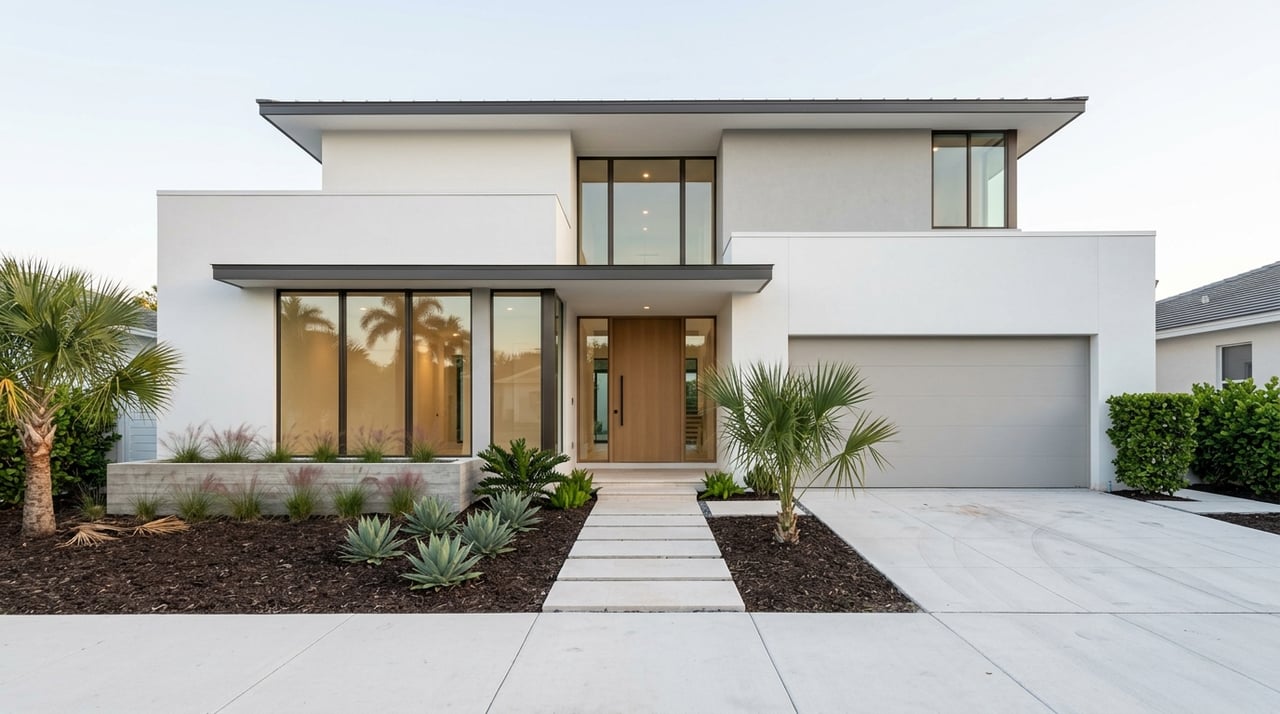
Apopka is a strong place to compare established neighborhoods with newer-build options. The City of Apopka’s Community Development Department oversees permitting, inspection, zoning, site plan review, and long-range planning, and the city is rewriting its Comprehensive Plan to guide growth over the next 20 years. In plain terms, growth is active here, and new construction is a real part of your move-up search.
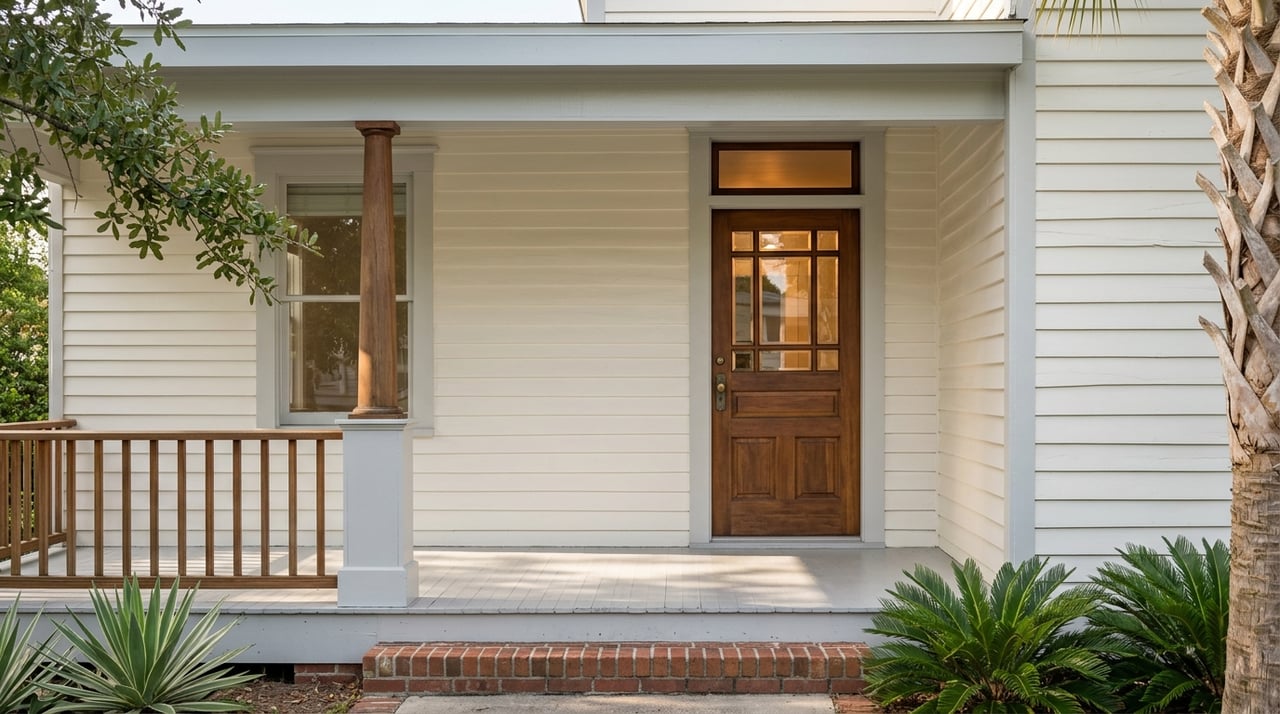
For many buyers, the right choice comes down to lifestyle, timing, and total cost. You may want the fresh finishes and energy efficiency of a new home, or you may prefer the character, mature landscaping, and move-in readiness of a resale home. Neither option is automatically better. The better fit depends on your priorities.
According to the research provided, new homes often offer:
But there are tradeoffs too:
If you are considering a new-build home, ask when the builder deposit is refundable and remember that you do not have to use the builder’s affiliated lender. Comparing financing options can make a meaningful difference in your total cost.
Existing homes often appeal to move-up buyers because they can offer:
The tradeoff is that older homes may come with older layouts, more maintenance, or competition for the most attractive listings. A resale purchase also benefits from a careful inspection so you know what updates or repairs may be ahead.
One smart takeaway for Apopka buyers is not to assume that new construction is always much more expensive than resale. The research notes that nationally, the price premium for newly built homes had narrowed and builders were leaning more on incentives and price cuts. In a market like Apopka, where development activity is part of the local landscape, it makes sense to compare total cost, timeline, and incentives side by side.
That means looking at more than list price. Consider rate incentives, lot premiums, HOA fees, window treatment costs, appliance packages, landscaping, and your move-in timeline. Sometimes the better deal is not the lower advertised price. It is the option that fits your full financial picture and your target move date.
If you want to make your next move feel more manageable, focus on a clear sequence. Start with your current home’s likely sale value and estimated net proceeds. Then map out your next-home budget, tax considerations, and ideal timeline.
From there, compare resale and new construction with a level head. Think about how long you plan to stay, how much work you want to take on, and how flexible your move timing is. The goal is not just to buy a bigger house. The goal is to make a smart move that supports your lifestyle and finances.
A move-up purchase works best when your sale and purchase strategy are connected from the beginning. If you want a smoother path, it helps to work with an experienced local advisor who can guide pricing, presentation, timing, and neighborhood comparisons with your full plan in mind.
If you are planning a move-up home purchase in Apopka, Gabriella Nystrom can help you create a thoughtful strategy for both the sale of your current home and the search for your next one. Schedule a free consultation to talk through your timing, equity, and options with personalized local guidance.
Stay up to date on the latest real estate trends.



Gabriella is dedicated to helping you find your dream home and assisting with any selling needs you may have. Contact Gabriella today to discuss all your real estate needs!