Living in Historic Mount Dora: Is It the Right Fit?
July 9, 2026
July 9, 2026
Looking for a Central Florida town where you can stroll to coffee, browse local shops, and still find homes with real architectural character? Historic Mount Dora stands out for exactly that reason. If you are considering a move here, it helps to understand how downtown walkability, year-round events, and preservation rules all shape daily life and homeownership. Let’s take a closer look.
Mount Dora’s historic downtown is built around a compact core, which makes it easier to enjoy on foot than many suburban areas in Central Florida. The city describes the Downtown Community Redevelopment Area as a 12-block area with more than 165 business spaces centered on the historic retail district.
That scale matters when you picture everyday life. Instead of driving from one plaza to another, you can spend an afternoon moving between shops, cafés, parks, and lakefront spots within a relatively short distance. The city also notes that many locations are within walking distance, with additional sidewalk improvements planned to increase walkability.
Parking still plays a practical role, especially if you are visiting or hosting guests. The city says there are free all-day parking lots and a parking garage in the downtown core, which can make day-to-day access easier even in a walkable setting.
For buyers relocating from elsewhere in Central Florida, commute access also enters the picture. The city notes that Toll Road 453 and State Road 46 have made the drive to and from Orlando faster, which may help if you want a small-town historic setting without feeling disconnected from the larger metro area.
A big part of Mount Dora’s appeal is that the historic core is not just pretty to look at. It is active and layered with local businesses that shape the town’s atmosphere. The city highlights eclectic shopping, diverse dining, events, and activities downtown.
The local chamber describes Mount Dora as a destination for boutique shops, art galleries, restaurants, cafés, pubs, walking, bicycling, and annual festivals. That gives you a good sense of the lifestyle. This is a place where you can build a Saturday around simple routines like coffee, browsing, lunch, and a waterfront walk.
One helpful example is Foxtail Coffee in downtown Mount Dora. It operates from the 1923 Ingram Building across from Donnelly Park and preserves original brick walls and tin ceilings while serving as a café and gathering spot. That mix of old architecture and current-day use captures a lot of what people enjoy about the area.
The lakefront setting adds another layer to the downtown experience. Visitor materials from the chamber emphasize that downtown overlooks Lake Dora, giving the historic district a scenic backdrop that feels distinct from inland retail districts.
If you are thinking about living near downtown, it is worth knowing that Mount Dora is also an event-driven city. According to the city, Mount Dora hosts more than 30 events each year.
Community favorites include Light Up Mount Dora, Snow in the Park, Freedom on the Waterfront, the Arts Festival, and the Craft Fair. These events bring in tens of thousands of visitors and support local nonprofits, small businesses, and vendors.
For some buyers, that event energy is a major plus. It can create a lively atmosphere and give you more reasons to enjoy downtown throughout the year. For others, it is simply something to factor into your home search if you want to live very close to the historic core.
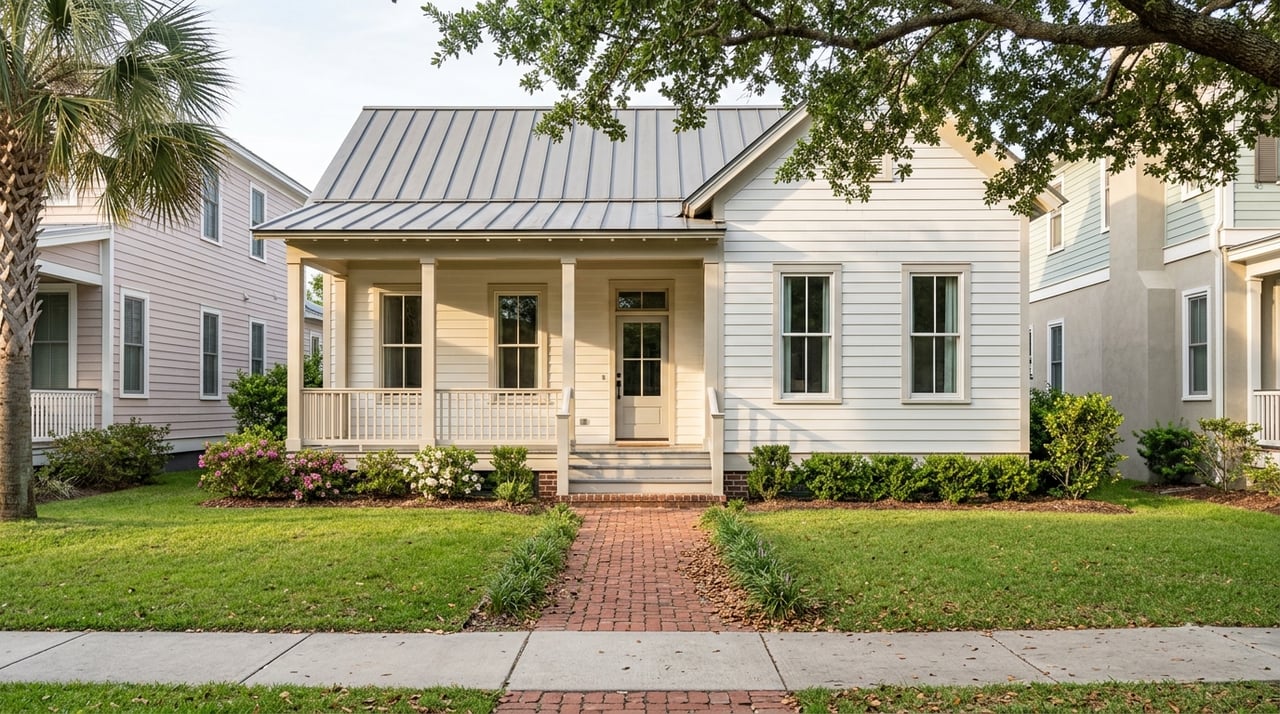
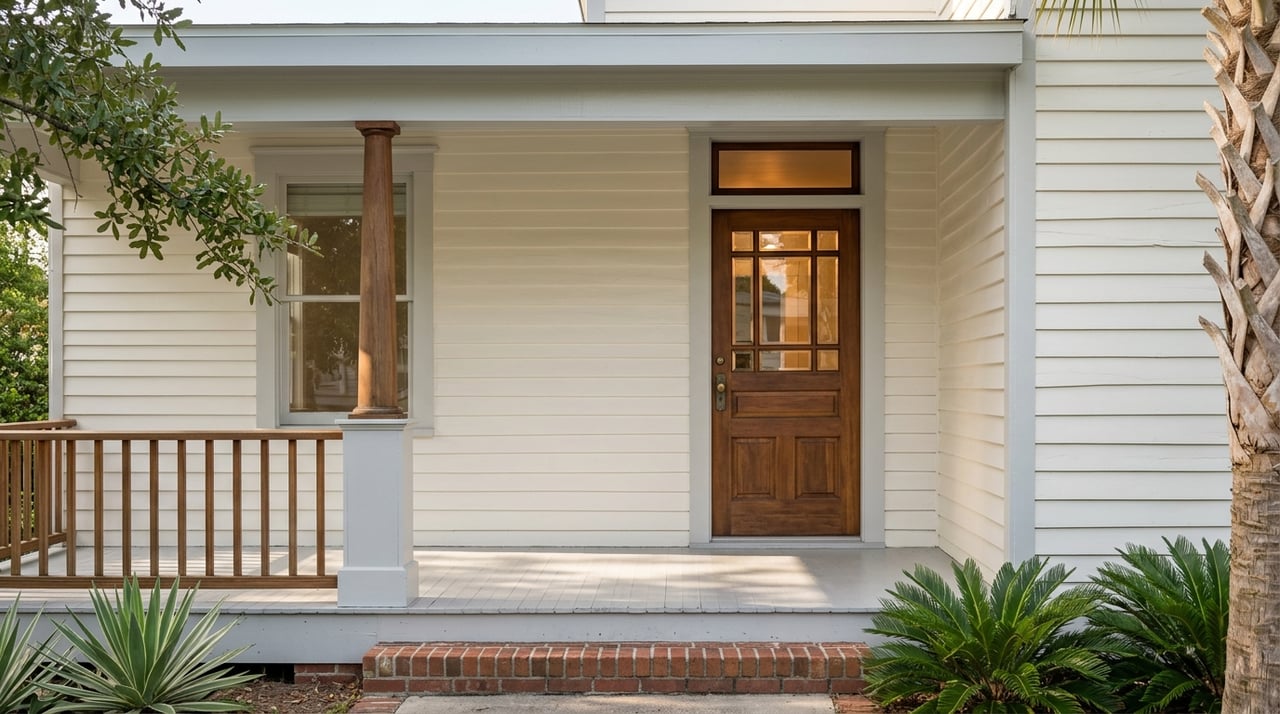
Mount Dora’s housing stock is one of the area’s biggest draws because it is not all built in one style or one era. The city’s design standards identify a wide range of architectural forms, including Frame Vernacular, Folk Victorian, Masonry Vernacular, Craftsman, Craftsman Bungalow, Colonial Revival, Minimal Traditional, Ranch, Queen Anne, and Mission Revival.
In practical terms, that means you may see early cottages, bungalows, revival-era homes, and later infill rather than a single uniform look. If you appreciate homes with individuality, that variety can be appealing.
A well-known local example is the Donnelly House, which the city identifies as a Queen Anne-style residence built in 1893. Other listed historic properties include the Atlantic Coastline Depot, Lakeside Inn, Witherspoon Lodge, and Mount Dora’s Historic District. These landmarks help explain why the area feels visually layered and historically rooted.
Charm is only part of the story in historic Mount Dora. If you are considering a home in or near the preservation area, you also need to understand the review process tied to certain exterior changes.
The city states that the Historic Preservation Review Area is bounded by Eleventh Avenue to the north, Highland Street to the east, First Avenue to the south, and Helen Street to the west. For properties in that district, and for National Register properties older than 50 years, exterior alterations, additions, and demolition require a Certificate of Appropriateness reviewed by the Historic Preservation Board.
This does not mean ownership is impossible or overly restrictive. It does mean you should go in with a clear plan if you expect to change exterior materials, add onto the home, or significantly alter visible features. In many cases, buyers are choosing both the home and the process that comes with preserving its character.
The city also notes that a National Register listing itself does not affect taxes or appraisals. That is an important detail for buyers trying to separate historic designation from common misconceptions.
Older homes often offer details that newer properties cannot easily replicate. You may find original layouts, mature settings, distinctive façades, and a stronger connection to the town’s history.
At the same time, buying in a historic area can mean more renovation planning and more attention to maintenance. The practical tradeoff is straightforward: you gain character and location, but you may also need more patience with exterior projects and long-term upkeep.
For many buyers, that tradeoff is worthwhile. The key is knowing your priorities before you shop so you can decide whether you want turnkey convenience, restoration potential, or a middle ground.
When you start pricing homes in Mount Dora, you may notice that different public sources show different figures. That is normal because some track estimated value, some track asking price, and some track sold price.
Taken together, the broad takeaway is that Mount Dora’s market sits roughly in the low-to-mid $400,000s overall. Exact pricing depends on the source, the location within Mount Dora, and the property’s age, condition, and style.
For buyers focused on the historic core, those differences can be even more noticeable. A smaller cottage needing updates may sit in a very different range than a renovated home near downtown, even if both benefit from the same lifestyle appeal.
Historic Mount Dora can appeal to several kinds of buyers, especially if lifestyle matters as much as square footage. You may feel at home here if you want:
It may require a little more thought if your top priority is a newer home, very simple exterior renovation freedom, or a fully uniform neighborhood feel. Neither approach is right or wrong. It depends on the kind of daily life you want.
If you are serious about buying in Mount Dora, start by narrowing your priorities before you tour homes. Think about how important walkability is to you, how close you want to be to event activity, and whether you are open to the responsibilities that can come with an older or historically reviewed property.
A good search strategy usually balances lifestyle and logistics. You want to enjoy the shops, cafés, and charm that draw people here, but you also want a home that matches your budget, maintenance comfort level, and future plans.
If you are relocating from another part of Central Florida or from abroad, this kind of neighborhood-level guidance can make your decision much clearer. Working through those details early helps you compare Mount Dora not just as a destination, but as a place you can comfortably call home.
Historic Mount Dora offers a rare combination in Central Florida: a walkable downtown, a strong local business scene, an active event calendar, and homes with genuine architectural personality. If that mix sounds like your style, a focused local search can help you find the right fit with fewer surprises along the way.
If you are exploring homes in Mount Dora or planning a Central Florida relocation, Gabriella Nystrom can help you evaluate neighborhoods, home styles, and market options with clear, personalized guidance.
Stay up to date on the latest real estate trends.
Gabriella is dedicated to helping you find your dream home and assisting with any selling needs you may have. Contact Gabriella today to discuss all your real estate needs!