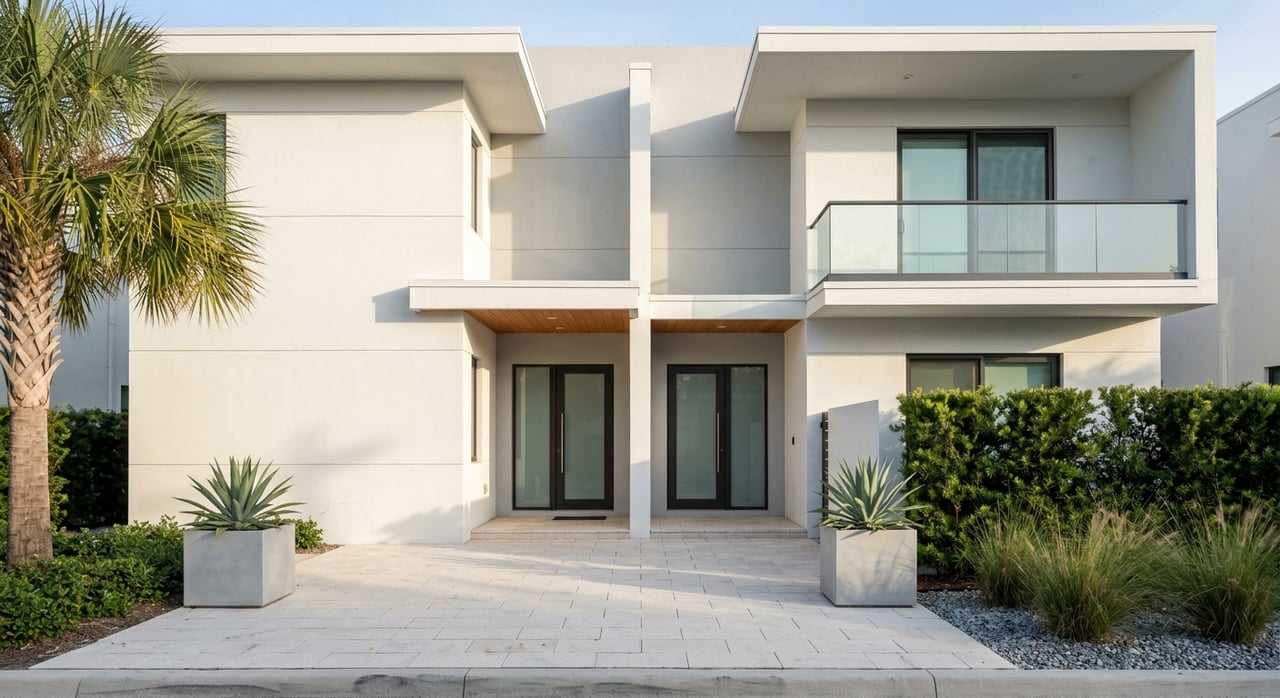
Altamonte Springs Condo vs Townhome: How to Choose
May 7, 2026
May 7, 2026
Trying to choose between a condo and a townhome in Altamonte Springs? You are not alone. In a city where multifamily housing plays a major role in daily life, this decision can shape your budget, maintenance responsibilities, and overall lifestyle more than many buyers expect. If you want a clearer way to compare your options, this guide will walk you through what matters most in Altamonte Springs and what to verify before you make an offer. Let’s dive in.
Altamonte Springs has a distinctly urban character compared with many nearby suburban communities. According to city planning and demographic materials, more than 60% of the housing stock is multifamily, and future housing construction is expected to lean heavily in that direction because land is limited.
That matters because condos and townhomes are not a niche choice here. They are a normal part of the local housing mix, especially near major corridors like I-4 and SR 436/SR 434. In areas such as Uptown Altamonte, attached housing is part of a broader live-work-play setting with shopping, dining, offices, and entertainment centered around Cranes Roost Park.
For you as a buyer, that means the decision is less about whether attached living makes sense and more about which type of ownership and maintenance structure fits your goals best.
Before you compare floor plans or monthly dues, it helps to understand one key point: a condo and a townhome are not always different in the way buyers assume.
Under Florida law, a condominium is a specific legal form of ownership. You own your unit and also hold an undivided share in the common elements. Condominiums are governed by Chapter 718 of the Florida Statutes.
A townhome, by contrast, is often a physical description rather than a legal one. Many townhome communities operate under an HOA structure covered by Chapter 720, but some townhouse-style properties are legally condominiums.
This distinction affects more than paperwork. It can influence:
If a listing says “townhome,” do not assume it is legally an HOA parcel. In Florida, the recorded declaration and governing documents tell the real story.
In a condominium, the association is generally responsible for maintaining common elements. The association must also handle maintenance, repair, and replacement of condominium property where the declaration places that responsibility on the association.
For many buyers, this creates a more hands-off ownership experience. If your priority is convenience and less exterior upkeep on your to-do list, that can be appealing.
A condo may be a strong fit if you want:
In Altamonte Springs, this can be especially attractive if you want to be close to Uptown Altamonte or other amenity-rich areas where multifamily living is already well established.
That convenience often comes with more association oversight. Condo documents commonly address topics such as:
You may also face different budgeting and reserve requirements than you would in many HOA communities.
A townhome often offers a more house-like feel while still giving you the benefits of attached living. But the biggest mistake buyers make is assuming all townhomes work the same way.
Some townhomes are HOA parcels where you own the lot and structure, while the association handles selected common areas. Others may look like townhomes but are legally condos. That is why you need to review the governing documents instead of relying on marketing language.
A townhome may appeal to you if you want:
In Altamonte Springs, that can be a practical middle ground for buyers who want attached housing without feeling like they are choosing a typical condo building.
The maintenance split can vary widely from one community to another. In some cases, the association may cover landscaping and common areas but not the roof or exterior. In others, the association may take on more responsibility.
Because of that, you should never judge responsibility by the building style alone. The declaration, budget, and association records are what matter.
It is easy to focus on the monthly number, but dues only tell part of the story. A lower fee is not automatically better if it leaves you exposed to major repair costs later.
Instead, ask what the dues actually cover. In both condo and townhome communities, the most useful questions include whether fees pay for:
Florida condo law has specific reserve and inspection-related requirements. For residential condominium buildings that are three stories or higher, associations must complete a structural integrity reserve study at least every 10 years. That study addresses items such as the roof, structure, plumbing, electrical systems, waterproofing and exterior painting, and windows and exterior doors.
For budgets adopted after December 31, 2024, reserve flexibility is restricted for the required structural reserve items. That means reserve planning may have a direct effect on condo budgets and monthly costs.
For a buyer, the takeaway is simple: look beyond today’s dues and understand whether the association is planning responsibly for major repairs.
If you are comparing a condo and a townhome in Altamonte Springs, document review is one of the most important parts of the process.
For condo purchases, Florida requires a prospective buyer to receive current copies of key association documents, including the declaration, articles of incorporation, bylaws and rules, annual financial statement and budget, and the most recent milestone inspection or structural integrity reserve study when applicable. The Florida Department of Business and Professional Regulation also states that structural inspection reports and reserve studies are part of the association’s official records and must be provided to potential purchasers.
HOA communities also maintain official records, and Florida law requires records access within 10 business days after a written request, subject to the statute’s rules.
Before you commit, make sure you know:
Those questions can save you from expensive surprises after closing.
The right answer depends on how you want to live, not just what the listing photos look like.
You want the most hands-off exterior maintenance possible. You like the idea of shared amenities, common areas, and a lock-and-leave setup. You may also be drawn to Altamonte Springs locations near mixed-use destinations, major roads, and urban-style conveniences.
You want attached housing with a more traditional home feel. You are comfortable digging into the declaration to confirm exactly what the association handles and what falls to you. You may prefer a community layout that feels more like a neighborhood of parcels than a condo building.
Because Altamonte Springs already has a strong multifamily base, both condos and townhomes can make sense here. The city’s housing pattern, urban character, and concentration of higher-intensity development near key corridors mean many buyers are choosing between two workable options rather than one obvious winner.
That is why your decision should come down to daily life. Think about how much maintenance you want to take on, how comfortable you are with association rules, and how closely you want to monitor reserves, inspections, and long-term costs.
A well-chosen condo can offer ease and convenience. A well-chosen townhome can offer a more house-like feel with attached-living benefits. The best fit is the one that matches your routine, budget, and comfort level with the community documents.
If you are weighing condo and townhome options in Altamonte Springs, working with a local broker who can help you compare ownership structure, association documents, and neighborhood context can make the process much clearer. To talk through your options, schedule a free consultation with Gabriella Nystrom.
Stay up to date on the latest real estate trends.

Gabriella is dedicated to helping you find your dream home and assisting with any selling needs you may have. Contact Gabriella today to discuss all your real estate needs!