
Downsizing to Tavares Florida: Your Step-By-Step Moving Guide
March 5, 2026
March 5, 2026
Thinking about trading square footage for a simpler, lake‑loving lifestyle? If you are ready to right‑size your home and your to‑do list, Tavares offers a friendly pace, active outdoor scene, and practical housing options that fit a new chapter. This guide walks you through the process from first planning notes to move‑in day, using local facts and clear timelines so you can feel confident at every step. You will see what to expect from the market, how to prep and sell your current home, how to pick the right Tavares property, and which local checks to run before you close. Let’s dive in.
Tavares is the Lake County seat and a small city that feels connected to the water at every turn. Population estimates show about 22,000 residents, and roughly 38% are 65 or older, which signals a strong retiree presence and services that support it. You can confirm those figures in the U.S. Census QuickFacts for Tavares. Explore the latest city snapshot.
Water is central to daily life here. The city brands itself as “America’s Seaplane City,” and its revitalized waterfront includes a marina with slips and public transient docking, plus events along the shoreline. If you love boating or a morning walk by the lake, that identity will feel like home. Learn more about Tavares and its marina.
Healthcare access is close by. AdventHealth Waterman, a full‑service community hospital, is located in Tavares, which offers peace of mind if you value nearby medical care.
Typical home values in Tavares sit in the low‑to‑mid $300,000s, with a recent local index reading around $308,000 and a median days‑to‑pending near 52 days. Market conditions change, so use an MLS‑based comparative market analysis for precise pricing and timing right before you list or make an offer. This combination of value and pace is why many downsizers find Tavares a comfortable fit.
If you want built‑in social programming and low exterior maintenance, consider 55+ options like Baytree in Tavares or newer active‑adult products introduced in Lake County, such as Cresswind at Lake Harris. These neighborhoods often feature amenity centers, planned activities, and smaller floor plans. The tradeoff is HOA rules and monthly dues, which you should weigh against your budget and maintenance goals.
Condominiums and townhomes reduce yard work and often include exterior maintenance. Review HOA fees, reserve studies, and recent meeting minutes before you commit. Special assessments can affect affordability, so build that review into your contract timeline.
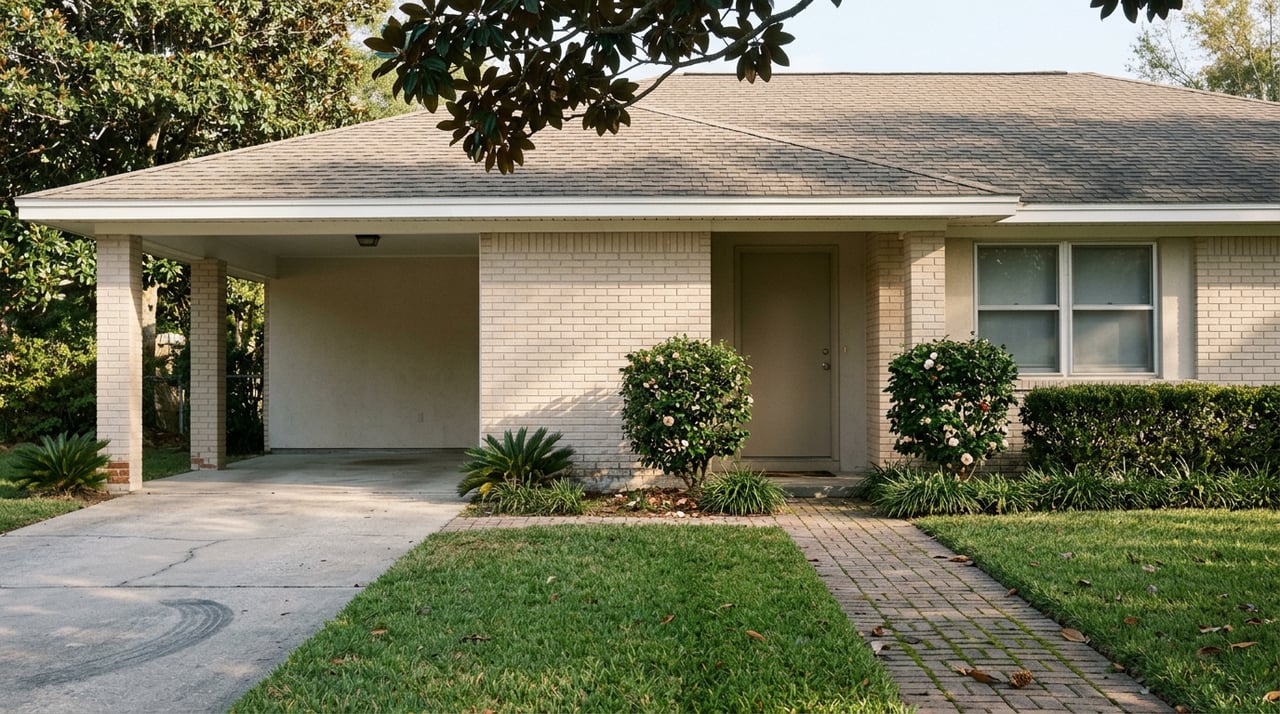
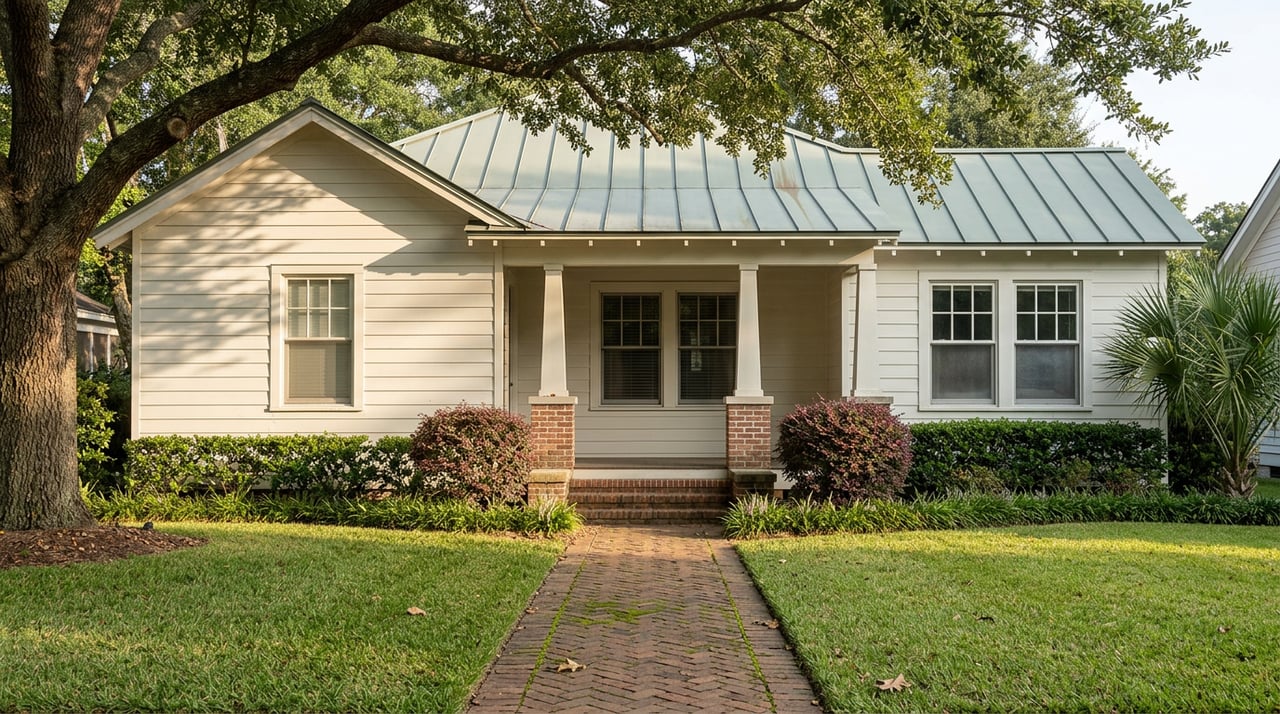
A one‑story floor plan on a smaller lot delivers privacy and an easy, single‑level lifestyle. Compare the cost of maintaining your own landscaping and exterior to the convenience of paying HOA dues in a managed community. The right answer depends on how you want to spend your time.
Waterfront living on the Harris Chain is a major draw, from quiet canal views to wide‑open lakefront with dock access. Balance the lifestyle upside with practical checks like flood risk, dock and seawall upkeep, and insurance costs. Always review FEMA flood maps for your target address to see if lenders will require flood insurance. Check FEMA Flood Map Service Center.
A realistic start‑to‑finish window for a coordinated downsize is 3 to 6 months. Plan for 4 to 8 weeks to prep your home, a variable period on market depending on pricing and season, and then about 30 to 45 days from contract to closing for financed buyers. For a simple reference on closing pace, see this overview of typical timelines. Review typical contract‑to‑close timing.
Smart seller steps that reduce stress:
Contract strategies to coordinate dates:
Know the mortgage rule that sets your pace. Lenders must issue a Closing Disclosure at least three business days before closing. Do not schedule movers for the same day you expect to sign if this window has not run. Understand the CFPB three‑day rule.
Start by ranking your must‑haves: single‑level living, HOA or no HOA, proximity to the waterfront, or a quick drive to medical care and shopping. Then get fully pre‑approved, not just pre‑qualified. Pre‑approval strengthens your offer and helps your lender move faster once you are under contract.
Schedule inspections and the appraisal as soon as your offer is accepted. Appraisals are a common source of delay, so fast ordering keeps everyone on track. If you need to sell first, consider a short‑term rental or a rent‑back. If you need to buy first, discuss bridge options or plan for a short period with two homes.
Use a phased workflow to keep decisions manageable. Most downsizers finish in 2 to 6 months depending on household size and how much help they hire.
If you prefer full‑service support, consider hiring a Senior Move Manager. NASMM maintains standards and directories for certified professionals who can coordinate sorting, packing, sales, and new‑home setup. Learn about NASMM resources.
Budgeting for movers: local moves often charge hourly by crew size, while interstate moves are priced by weight and distance. Decluttering before you hire movers is the single biggest cost saver. Get multiple quotes and confirm what is included, such as packing materials, stairs, or long carries.
If your Tavares home will be your primary residence, review Florida’s homestead exemption, the Save Our Homes assessed‑value cap, and portability rules when moving within the state. Deadlines matter, and applications are handled at the county level. Read Florida Department of Revenue guidance.
For parcel‑specific estimates, check the Lake County Property Appraiser. You can look up valuation history, current exemptions, and learn about millage rates for your district. Use the Lake County Property Appraiser search.
For any lakefront or low‑lying property, review the FEMA Flood Map for the exact address before you offer. Your lender may require flood insurance, and maps can change with new studies. Verifying early can prevent surprises during underwriting. Search the FEMA Flood Map Service Center.
Florida’s property insurance market has seen reforms and price changes. Premiums vary by location, roof age and condition, proximity to open water, and wind‑mitigation features. Get quotes from multiple carriers and ask about wind‑mitigation discounts before you finalize a budget. See regulator resources for Florida insurance.
The Atlantic hurricane season runs June 1 to November 30. If your move or closing falls in that window, build a weather contingency. Confirm moving insurance, add a few buffer days around closing, and consider short‑term storage if a storm disrupts schedules. Track seasonal timing and advisories.
Ready to downsize without the stress? You deserve a plan that fits your pace and priorities. If you want hands‑on listing prep with staging and photography, clear guidance on 55+ and waterfront options, and a local advocate who understands Central Florida’s neighborhoods, reach out to Gabriella Nystrom. Schedule a free consultation and start your Tavares move with confidence.
Stay up to date on the latest real estate trends.


Gabriella is dedicated to helping you find your dream home and assisting with any selling needs you may have. Contact Gabriella today to discuss all your real estate needs!