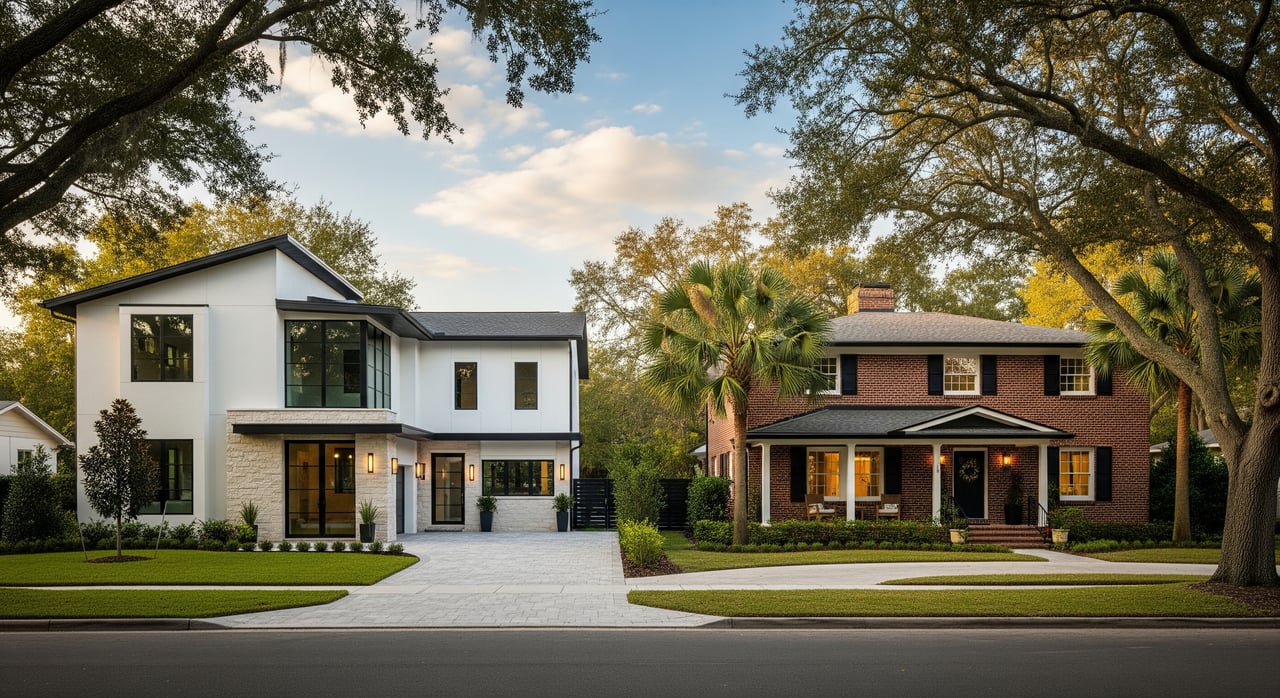
Apopka New Construction vs Resale Homes: How to Decide
January 15, 2026
January 15, 2026
Trying to choose between a brand-new build or a resale home in Apopka? You have great options, but the best choice depends on your timeline, budget, and what you value most. You want clarity on costs, how long each path takes, and what to watch for in Central Florida communities. This guide breaks down real differences in Apopka, from CDD and HOA fees to warranties, lot premiums, and negotiation strategies. Let’s dive in.
Apopka sits in northwest Orange County near major job centers and the I-4 corridor. Ongoing growth keeps new communities coming, including master-planned neighborhoods and subdivisions. Proximity to lakes, conservation land, and regional roads influences lot desirability, privacy, and potential flood considerations.
Newer developments may cluster around preserved open space or man-made lakes. These settings can be a plus for lifestyle and long-term appeal. They can also drive lot premiums for views, orientation, or extra privacy.
If you build inside Apopka city limits, your builder works with the City of Apopka’s planning and building departments. In unincorporated areas of northwest Orange County, permitting runs through the county. Review cycles differ, which can affect builder timelines. Most builders give estimated completion dates and include language that allows for delays tied to permits, weather, or materials.
Some parts of Apopka sit near wetlands or flood plains. Before you fall in love with a lot, check FEMA flood maps and local floodplain overlays. Insurance costs in Florida also reflect windstorm exposure and construction features. Roof type, wind-resistant elements, and elevation can influence premiums and peace of mind.
Resale homes usually move faster. If your financing and title work are straightforward, you often close in 30 to 45 days. Your contract will likely include inspection and appraisal contingencies. That gives you room to assess the home and negotiate repairs or credits.
New construction varies by type:
Builder contracts differ from standard resale agreements. They include options, upgrades, and staged payments. Many restrict changes after you sign and limit remedies if construction is delayed.
For resales, a home inspection contingency is standard. You can negotiate repairs or credits based on findings. For new builds, the builder will schedule walkthroughs and a punch list process. It is still wise to hire your own inspector for key stages, such as pre-drywall and the final walkthrough, so issues are documented before closing.
Many new homes come with a layered warranty structure. A common pattern is 1 year for workmanship items, 2 years for systems and mechanicals, and 10 years for structural issues. Coverage and claims vary by builder, so read every page and note what voids the warranty, like missed maintenance.
Ask for the full builder warranty, including how to file claims and response timelines. Request manufacturer warranties for appliances, windows, roofing, and HVAC. Make sure you know the required maintenance to keep coverage valid and whether warranties can transfer to a future buyer if you resell.
Verify that the builder and subcontractors hold the proper Florida licenses and check for complaint history. If you face a significant defect or an unresolved warranty dispute after closing, your options will depend on your contract and the specifics of your case. Keep detailed records and follow the warranty process.
A Community Development District, or CDD, finances infrastructure in many Florida master-planned communities. You repay the bonds through assessments that typically appear on your property tax bill. CDDs often help lower initial developer costs and can keep HOA dues lower, but they add a recurring line item to your carrying cost. Some communities also charge a one-time capital contribution at closing.
Large developments may have a master HOA and sub-associations. Fees cover common areas, amenities, and reserves. Review budgets, reserve studies, and any history of special assessments. Read the covenants and rules, including use restrictions, rental policies, and architectural approvals. These factors can shape your flexibility and costs over time.
Lot premiums are common for views, privacy, cul-de-sacs, and preferred orientations. Builders also sell upgrade packages for interiors and exteriors. Both can increase your purchase price. At resale, rare attributes like a water view or no rear neighbor tend to hold value better than purely cosmetic upgrades. Consider what adds durable, long-term appeal in the Apopka market.
New builds may include capital contributions, HOA or CDD setup and transfer fees, and other closing costs. Builders often offer incentives such as closing cost credits, interest rate buydowns, or upgrade packages, sometimes tied to using a preferred lender or title company. Compare the net value of incentives to a price reduction and consider how they affect your loan and appraisal.
Build an apples-to-apples budget for each option. Include:
New construction usually offers modern HVAC, insulation, and windows, which can help lower monthly utilities. Resale homes might need near-term upgrades to major systems like roof, HVAC, or plumbing. A strong inspection and clear timeline for replacements help you plan cash flow.
The sales agent in a builder’s model typically represents the builder. You can have your own buyer’s agent focused on your interests. Get your representation agreement in writing and understand how the commission is handled. An independent advocate helps with contract terms, upgrade choices, timelines, and documentation.
Watch for change-order pricing, strict deposit rules, limited remedies for delays, appraisal gap clauses, and contingencies tied to preferred vendors. Get everything in writing, including what is and isn’t included versus the model home.
Choose new construction if you want modern design, energy efficiency, and the peace of a structured warranty, and if your timeline can handle potential delays. Choose a resale if you need to move sooner, prefer an established street setting, or want negotiation leverage on price and repairs. In Apopka, both paths can work well when you compare total costs and protect your interests with strong representation.
If you want a clear, side-by-side plan for Apopka communities, fees, timelines, and builder or seller negotiations, schedule a conversation with Gabriella Nystrom. Get personalized guidance and a step-by-step strategy for your next move.
Stay up to date on the latest real estate trends.
Gabriella is dedicated to helping you find your dream home and assisting with any selling needs you may have. Contact Gabriella today to discuss all your real estate needs!