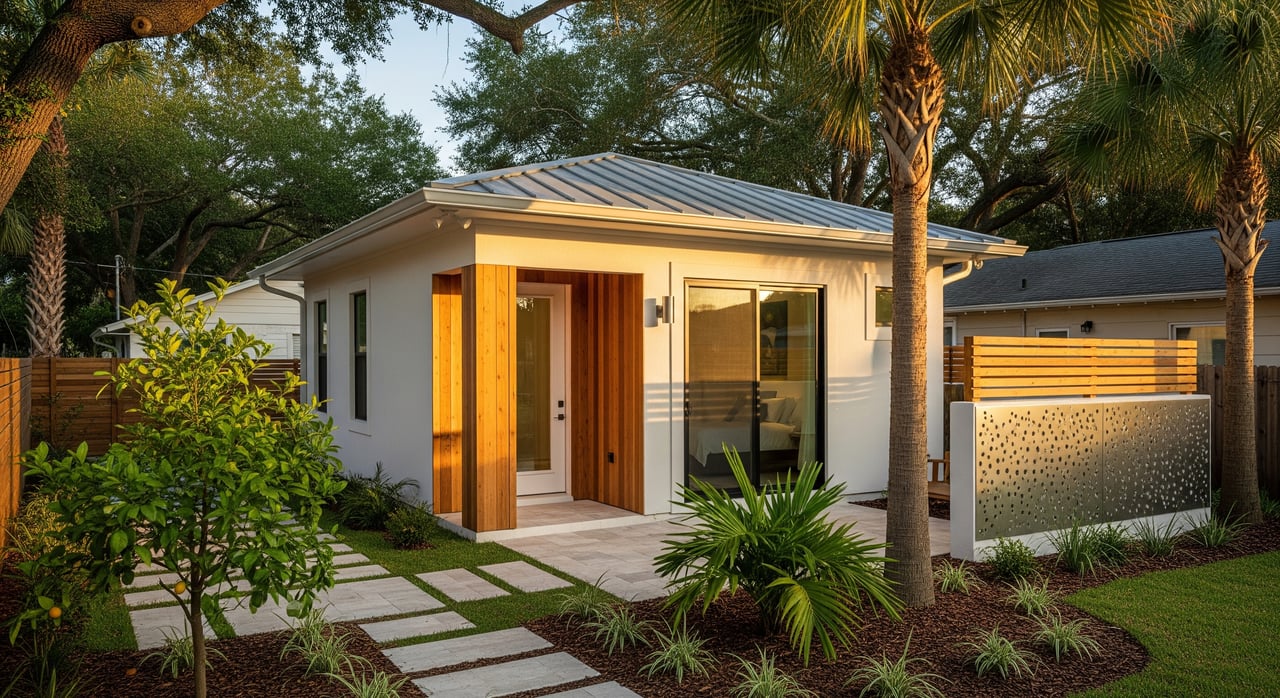
ADU Design That Aligns With Orlando Zoning Rules
November 6, 2025
November 6, 2025
Thinking about adding an accessory dwelling unit to your Orlando property? The idea is exciting, but the details can feel complex when you start looking at zoning, setbacks, and parking. You want a design that passes review, serves your family or a long‑term tenant well, and adds value to your home. This guide translates local rules into clear design moves so you can plan with confidence and avoid costly redesigns. Let’s dive in.
Before sketching floor plans, confirm whether your parcel is inside the City of Orlando or in unincorporated Orange County. Each sets its own rules for where ADUs are allowed and how big they can be. If you are near the city edge or along a subdivision boundary, double‑check the jurisdiction to avoid surprises later. This step shapes every other design choice you make.
Both the City of Orlando and Orange County regulate ADUs through their land development codes and permitting offices. The rules establish where ADUs are allowed, size limits, height, and setbacks, as well as parking and utility requirements. These codes can differ, so use the correct set for your parcel. If you are not sure, a quick zoning check with planning staff is a smart starting point.
Some neighborhoods, especially planned developments, add their own layers of standards on top of the base code. Lake Nona is a common example, where PD text and an architectural review board control materials, rooflines, and facade character. If your property is in a PD or under an HOA, gather those documents early and note any submittal requirements or timelines. Plan to match the primary home’s look and feel to streamline approvals.
If your lot touches a Special Flood Hazard Area, your ADU’s foundation height and mechanical placements will be affected. Check the flood maps early to plan for elevation and protection of utilities. Also confirm water and sewer availability with the local utility provider and whether separate meters are permitted or required for rental use.
You do not need to memorize code language to make good decisions. Focus on a few core categories that shape layout, placement, and cost. Each category below includes what to verify and how to respond in your design.
What to check: whether the code limits floor area by a fixed square footage or a percentage of the main house, and whether porches or lofts count. If your target size is tight, keep the plan efficient and flexible. A compact 1‑bed layout with an open living and kitchen zone, built‑in storage, and stackable laundry hits a sweet spot for many Orlando neighborhoods.
Design moves:
What to check: the maximum height and whether second stories are allowed over garages. Some districts limit detached ADUs to one story, which nudges you toward a wider footprint.
Design moves:
What to check: side, rear, and front yard setbacks for accessory structures and any required distance from the primary house. This determines where your ADU can sit on the lot and how entries face.
Design moves:
What to check: whether an extra off‑street space is required, if tandem spaces count, and any driveway width or curb cut limits. Parking affects site planning and stormwater.
Design moves:
What to check: policies on shared versus separate meters, sewer connection rules, and whether the ADU needs its own HVAC and electrical panel. These choices drive both upfront cost and long‑term management.
Design moves:
What to check: whether ADUs can be used for short‑term rentals and if registration is required. Short‑term rules can differ from long‑term rental rules.
Design moves:
What to check: thresholds that trigger additional stormwater controls when you add hard surfaces. Your site plan may need to manage runoff with specific features.
Design moves:
What to check: flood zone designation and base flood elevation if applicable. This impacts foundations, utility placement, and insurance.
Design moves:
A smooth permitting path starts with a complete package and early conversations with reviewers. Here is how the process typically unfolds.
Confirm plan review and building permit fees as well as any impact fees or system development charges for water and sewer. Some jurisdictions reduce fees for ADUs, so ask directly when you meet with staff. Policies can differ between the city and the county.
Expect several months from the first zoning check to final inspection, depending on scope and reviewer workload. Simple interior conversions move faster, while detached new construction takes longer. If PD or HOA review is required, build that timeline into your plan and submit a complete, design‑compatible package.
Once you have the rules in hand, design for day‑to‑day comfort and market appeal. A few choices make a big difference in Orlando’s rental and multigenerational scenarios.
In many urban and suburban areas, a 1‑bed or efficient studio rents well and stays flexible for future uses. In neighborhoods where larger homes are common, a 2‑bed layout can work if space and setbacks allow. For multigenerational living, focus on a private bedroom and a bathroom with easy access features.
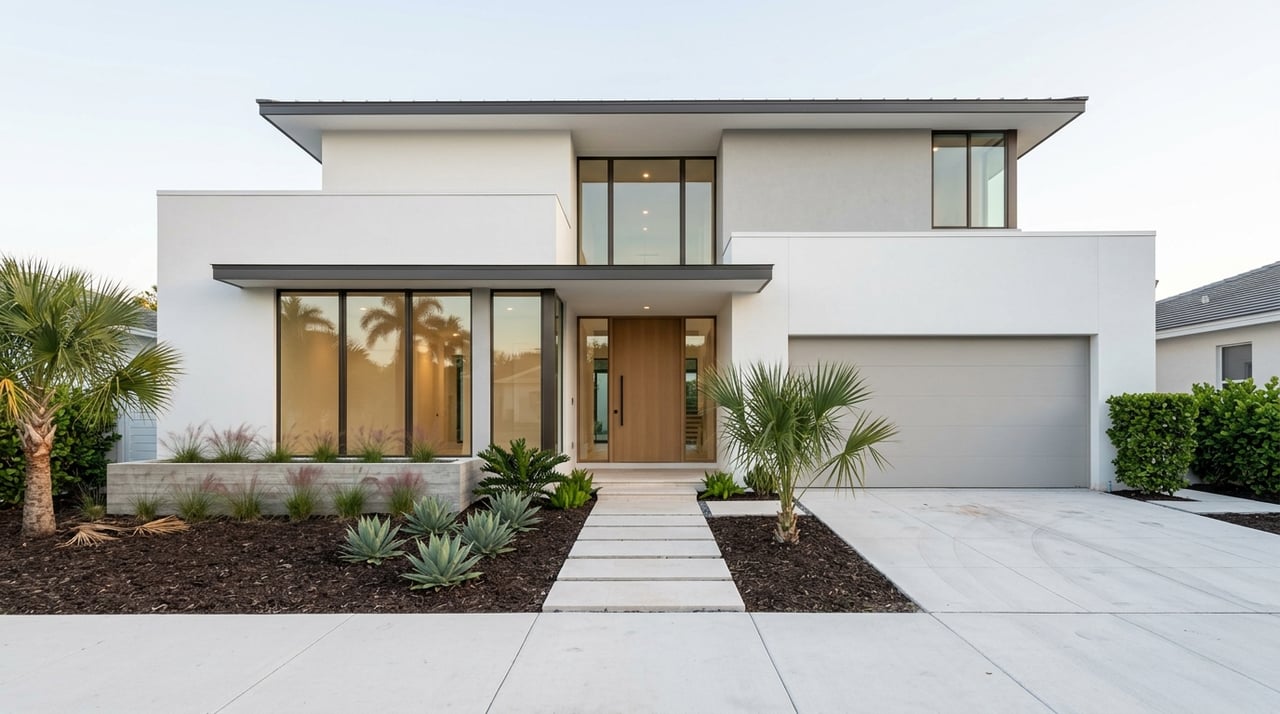
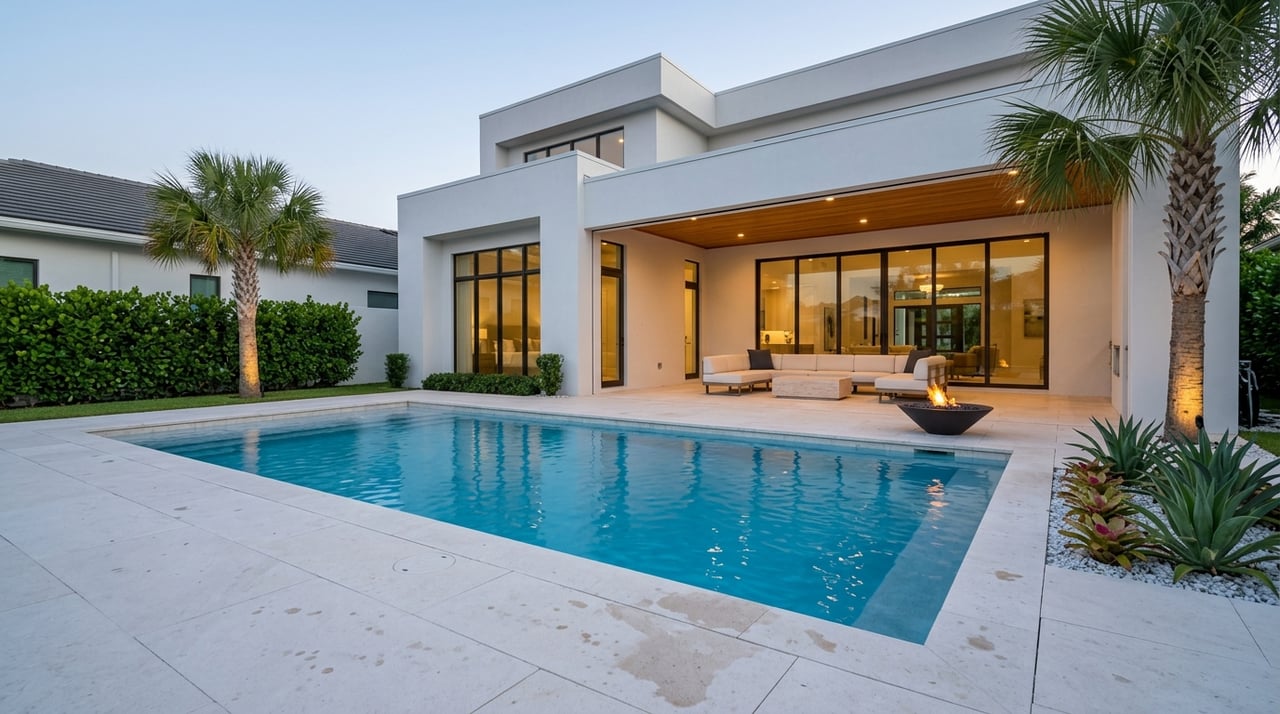
Match the primary home’s massing, roof pitch, and trim details where possible. This often reduces friction in PD or HOA reviews and helps the ADU feel like a natural addition. Use fencing and landscaping to frame outdoor space and buffer views between homes.
Upgrade wall and floor assemblies for better sound isolation, especially if the ADU is attached. Place windows to avoid direct lines into neighbors’ living spaces. Position patios and seating areas away from bedrooms in both the main home and the ADU.
Design for hurricane resilience with wind‑rated openings or protected shutters and reinforced connections. Manage moisture with proper flashing and HVAC dehumidification. Right‑size mechanical systems to avoid comfort issues in small spaces.
Separate meters simplify rental billing, while shared systems reduce upfront cost but require clear agreements. If you plan to hold the property long term, consider running conduit for a future EV charger. Small choices like these can improve value and tenant appeal over time.
Interior conversions are usually the most cost‑effective, followed by attached builds and then detached new construction. Upfront design discipline saves money through fewer revisions and a smoother permit path. For rental return, weigh local market rents and vacancy patterns, and for multigenerational use, account for non‑financial benefits such as proximity and caregiving convenience.
If your property is within a planned development like Lake Nona, expect additional design standards and an architectural review. PDs can offer flexibility on certain items but can also add material and facade requirements. Start by obtaining the PD text and any neighborhood design manual, then align your exterior design to match the primary home and the surrounding streetscape. Early engagement with the design review board can prevent rework and keep your schedule on track.
Building an ADU in Orlando or Orange County can be straightforward when you align design decisions with the rules from the start. Focus on size, placement, parking, and utilities, and match the exterior to your neighborhood context. If you are planning to rent, make choices that support privacy and durability, and confirm whether short‑term rentals are allowed. If you want market guidance during a purchase or need to understand how an ADU could affect value when you sell, reach out for local, practical advice.
If you are weighing your options or want a second opinion on neighborhood fit and resale strategy, connect with Gabriella Nystrom for clear, personalized guidance. Schedule a free consultation.
Stay up to date on the latest real estate trends.
Gabriella is dedicated to helping you find your dream home and assisting with any selling needs you may have. Contact Gabriella today to discuss all your real estate needs!