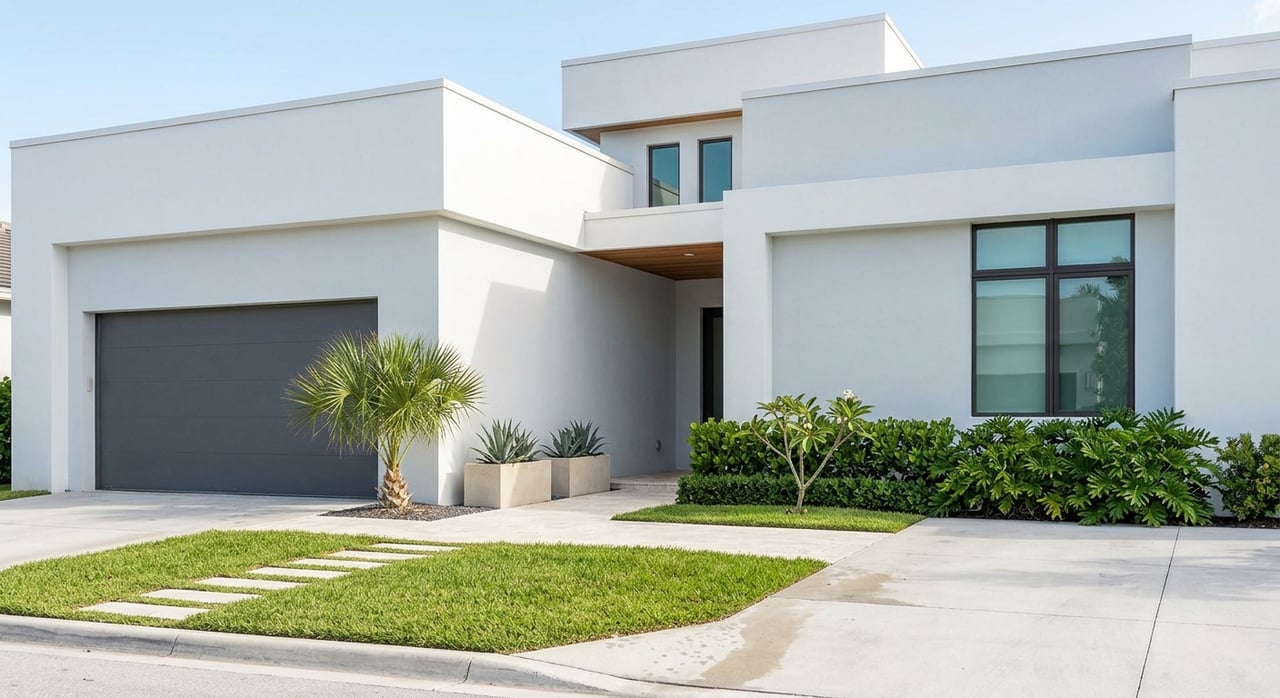
Essential Orlando Rental Property Tips & Key Rules
April 2, 2026
April 2, 2026
Thinking about buying a rental property in Orlando? It can be an appealing idea, but the numbers and rules deserve a close look before you move forward. If you want to avoid costly surprises and choose a property that actually fits your goals, this guide will walk you through the key points that matter most in Orlando. Let’s dive in.
Orlando has the kind of market that gets investors’ attention. The city’s population reached an estimated 334,854 in July 2024, while Orange County was estimated at 1,528,002 in July 2025, showing continued growth in both the city and the county, according to the U.S. Census Bureau.
There is also a meaningful renter base. The Census reports a 39.5% owner-occupied housing rate in Orlando, along with a median gross rent of $1,747 in the city and $1,775 in Orange County. For you as a buyer, that helps show why rental demand remains an important part of the local housing market.
Orlando’s economy adds another layer of demand. The metro had 1.53 million nonfarm jobs and a 4.4% unemployment rate in December 2025, based on data from the U.S. Bureau of Labor Statistics. That broad job base can support long-term rental demand across different parts of the area.
Tourism matters too. Visit Orlando reported 75,333,800 visitors in 2024, which helps explain why some buyers explore furnished, short-term, or mid-term rental strategies. Still, demand alone does not make a property a good fit. In Orlando, legality and property-specific restrictions come first.
Before you look at property type, decide what kind of rental you want to own. In Orlando, your strategy often matters more than whether the property is a condo, townhouse, duplex, or single-family home.
A long-term rental may offer a simpler path if you want a more traditional setup. A short-term or home-sharing model may sound attractive, especially in a tourism-driven market, but local zoning, permit rules, and HOA restrictions can change what is actually possible.
The City of Orlando makes a key distinction between Home Share and Commercial Dwelling Unit use. According to the city’s home-sharing registration guidance, a Home Share allows a homeowner or long-term tenant to rent up to half the bedrooms, requires the resident to live on site and be present, and limits the rental to one booking at a time.
A Commercial Dwelling Unit is different. It is closer to a whole-home vacation or corporate rental, and the city says it is not allowed in residential R zoning. It must be located in O-3, any MU district, or any AC district, with additional approvals required in some cases.
One of the biggest mistakes rental buyers make is assuming a property can be used as a short-term rental just because it is in Orlando. The rules are much narrower than many people expect.
The City of Orlando says its home-share ordinance took effect July 1, 2018, and requires a short-term property rental permit. The city also states that home sharing is limited to stays of less than 30 days, one booking at a time, on-site host presence, and no more than half of the dwelling unit. The first-year fee is $275, with annual renewals of $100 or $125 depending on owner occupancy, according to the city’s permit page.
Orange County adds even more caution. The county states that short-term vacation rentals are not allowed in most residential areas, and code enforcement information notes fines can reach $1,000 per day for an initial violation and $5,000 per day for repeat violations.
The City of Orlando also notes that only about 4% of the county is zoned for short-term rentals. For you, that means the difference between a workable investment and an expensive mistake can come down to the exact parcel, not just the general area.
Even if zoning works, the HOA may not. This is one of the most important details to confirm before you make an offer.
The City of Orlando says that home-share registrants in mandatory HOAs need an approval letter, and it also notes that private covenants, conditions, and restrictions may impose additional limits, as explained in the city’s home-sharing initiative overview. In plain terms, city approval does not override HOA rules.
That is why it is smart to review association documents early. If a community limits lease length, caps rentals, or prohibits certain uses, those rules can shape your entire investment plan.
Many first-time investors start with one simple question: will the rent cover the mortgage? That is a useful starting point, but it is not enough for Orlando.
As of February 28, 2026, Zillow reported an average Orlando home value of $370,828 and an average rent of $1,857. The Census reports Orlando’s median monthly owner cost with a mortgage at $2,231 and median gross rent at $1,747. Those figures suggest you should underwrite conservatively rather than assume easy positive cash flow.
A realistic rental analysis should include more than principal and interest. You may also need to budget for:
Those costs can change your return quickly. A property that looks strong on a headline rent estimate may feel very different once you account for real operating expenses.
There is no single best rental property type in Orlando. The better question is whether a property matches your intended use, legal limits, and ongoing management style.
For example, a condo may offer lower exterior maintenance, but association rules can be strict. A single-family home may give you more flexibility, but maintenance and carrying costs can be higher. A duplex or accessory-style setup may create different income possibilities, but zoning and use rules still need to be checked carefully.
The City of Orlando’s guidance makes clear that rental use depends on more than the property label. It is about how the unit fits the tenant strategy, local zoning, and any HOA requirements. That is why property selection should always be tied to your actual plan.
Owning a rental property is not only about buying well. It is also about operating well after closing.
Under Florida law, residential landlords must maintain the premises in compliance with applicable building, housing, and health codes. Florida’s Chapter 83 statutes also outline notice requirements for month-to-month terminations, nonpayment notices, certain lease violations, and security deposit handling.
For example, security deposits or advance rent generally must be held in a separate account or protected by a surety bond, and written deposit disclosure is generally required within 30 days after receipt. These are the kinds of details that matter if you want to stay organized and compliant.
Because Orlando combines local zoning rules with state landlord obligations, some buyers decide that hiring a local property manager makes more sense than self-managing. That choice depends on your time, experience, and how hands-on you want to be.
Market conditions also shape your buying strategy. According to Zillow’s Orlando data, the median sale-to-list ratio was 0.975 and median days to pending was 43 in late February 2026.
That suggests a market with active buyers, but not one where every property moves instantly. For you, that can mean more room to compare options carefully, review documents closely, and focus on condition, pricing, and location fit instead of rushing into the wrong deal.
If you are considering a rental property in Orlando, keep this checklist in front of you before you commit:
A rental property can be a strong long-term asset, but only when the property, location, and rules all support your plan. In Orlando, careful research is not optional. It is part of buying wisely.
If you want help evaluating Orlando-area properties with your strategy, budget, and long-term goals in mind, connect with Gabriella Nystrom for a personalized consultation.
Stay up to date on the latest real estate trends.
Gabriella is dedicated to helping you find your dream home and assisting with any selling needs you may have. Contact Gabriella today to discuss all your real estate needs!